IFAT 2026: Mercedes-Benz Trucks focuses on electrification and the circular economy
With eleven vehicles on display, the manufacturer clearly outlines its vision: combining electrification, versatility, and sustainability.
Electrification at the core of the strategy
Among the highlights, the second-generation Mercedes-Benz eActros 400 draws attention, particularly in a new configuration dedicated to winter services. Equipped with a snow plow, a spreader, and a three-way tipper body, it perfectly illustrates the ability of electric trucks to handle demanding tasks, both in summer and winter. With its 414 kWh battery capacity and up to 480 km of range depending on usage, it adapts to real-world constraints.
Another key model, the Mercedes-Benz eEconic 400, is presented here in an enhanced version with a fourth battery. Designed for urban waste collection, it confirms the strong positioning of electric vehicles in municipal applications, offering high flexibility in equipment, particularly for handling underground containers.
Internal combustion is not done yet
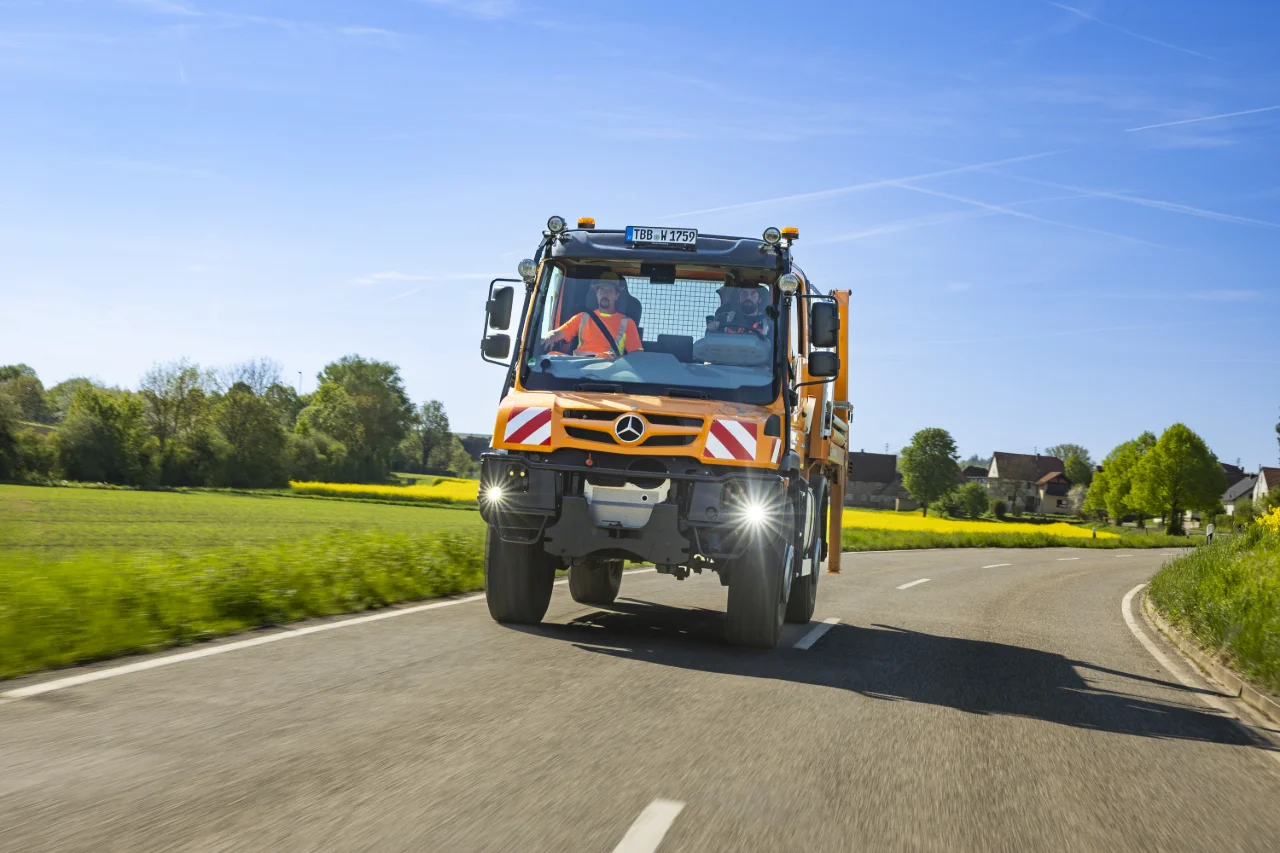
Alongside these zero-emission models, the Unimog U 530 remains a benchmark. A true multi-purpose tool for municipalities, it demonstrates its versatility with configurations dedicated to both snow clearing and waste management. The same applies to the Mercedes-Benz Arocs, presented in construction and winter service versions, proving that conventional powertrains still have their place in certain applications.
A concept focused on the circular economy
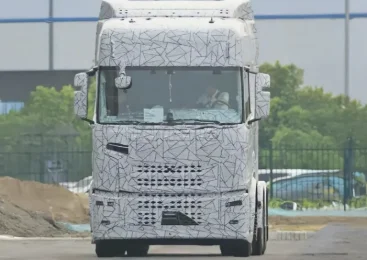
But the real innovation comes from a concept based on the Mercedes-Benz eEconic, developed with several industrial partners. This experimental vehicle integrates recycled materials and fits into a circular production approach, from design to recycling. A comprehensive vision that goes beyond simple electrification.
A clear vision for urban services
With its presence at IFAT, Mercedes-Benz Trucks showcases a coherent strategy: offering complete solutions for municipalities, capable of meeting environmental constraints while remaining operational on a daily basis.
Electrification is progressing, circularity is becoming essential, but one thing remains unchanged: on the ground, efficiency makes the difference.